
In the fast-paced digital age, where screens dominate our daily lives, it’s crucial to recognise the importance of incorporating hands-on activities like arts and crafts into a child’s routine. Engaging in creative endeavours not only provides a welcome break from technology but also offers a myriad of developmental benefits for children. Let’s delve into the world of arts and crafts and explore the numerous advantages they bring to a child’s growth.
Enhancing Fine Motor Skills:
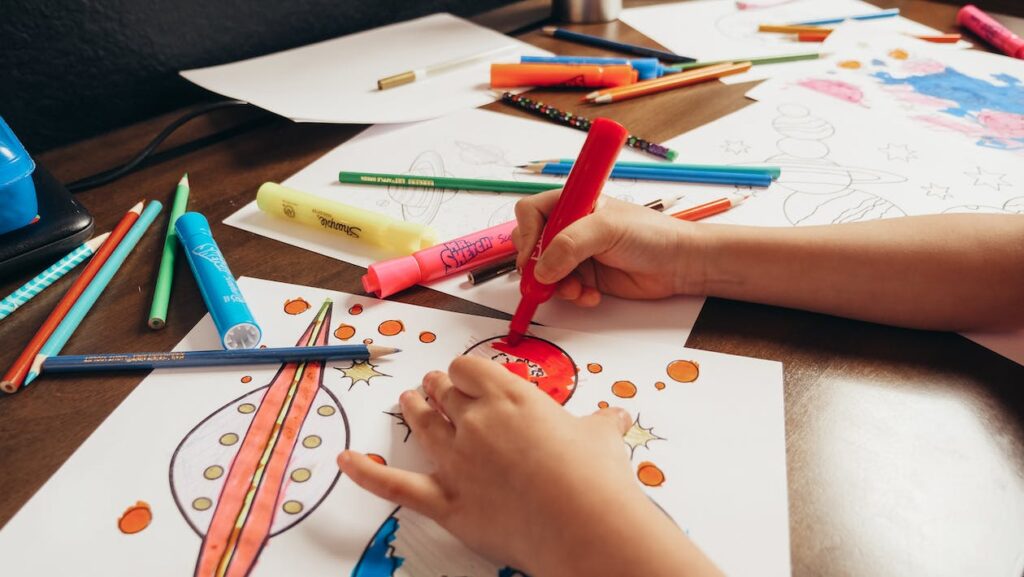
This independent school in Surrey suggests that one of the primary benefits of arts and crafts for children lies in the improvement of fine motor skills. Activities such as cutting, drawing, and colouring require precise hand movements, helping children refine their coordination and control. As they manipulate small objects and experiment with various tools, their hand-eye coordination and dexterity naturally improve, setting a strong foundation for future academic and practical tasks.
Stimulating Creativity and Imagination:
Arts and crafts provide a canvas for children to unleash their creativity and imagination. Whether it’s painting a vivid masterpiece or crafting a unique sculpture, these activities encourage children to think outside the box, fostering innovation and originality. Engaging in open-ended creative projects allows them to express themselves freely, building confidence and a sense of accomplishment.
Boosting Cognitive Development:
Participating in arts and crafts isn’t just about creating visually appealing projects; it also stimulates cognitive development. Through these activities, children learn to solve problems, make decisions, and think critically. Following instructions for a craft project, understanding cause and effect, and experimenting with different materials all contribute to the enhancement of cognitive skills, laying the groundwork for academic success.
Promoting Emotional Well-being:
Art is a powerful medium for emotional expression, and this holds true for children as well. Engaging in arts and crafts allows them to channel their emotions into a constructive outlet. Whether it’s joy, frustration, or excitement, the act of creating provides a therapeutic space for children to process their feelings. This emotional release not only aids in developing emotional intelligence but also helps them cope with various challenges they may encounter.
Encouraging Social Skills:
Art activities often involve collaboration and communication, fostering the development of essential social skills. Whether children are working on a group project or sharing their creations with peers, they learn to listen, negotiate, and cooperate. These interactions build a foundation for positive social relationships, teaching them the importance of teamwork and effective communication.
Building Confidence and Self-Esteem:
Completing an arts and crafts project instils a sense of achievement in children, contributing to the development of confidence and self-esteem. As they witness their ideas materialise and receive positive feedback from parents, teachers, or peers, children gain a sense of pride in their abilities. This newfound confidence transcends the realm of creativity and positively impacts their overall self-perception.
Incorporating arts and crafts into a child’s routine goes beyond creating aesthetically pleasing projects; it plays a crucial role in their holistic development. From refining fine motor skills to nurturing creativity and emotional well-being, the benefits are vast and impactful. Embracing these activities in educational and home settings can contribute significantly to a child’s growth, ensuring they blossom into well-rounded individuals ready to face the challenges of the future.