
Strong, supportive relationships between parents and teachers are one of the most powerful tools in a child’s educational journey. When schools and families work in partnership, children benefit both academically and emotionally. Let’s explore why these connections matter and how they can be nurtured, inspired by the practices of this prep school in Berkshire.
Creating a Supportive Learning Environment
When teachers and parents maintain open and respectful communication, they create a consistent support system for the child. Students are more likely to feel secure and motivated when they know their parents and teachers are on the same page. Whether it’s setting learning goals, addressing challenges, or celebrating achievements, a united approach helps children thrive.
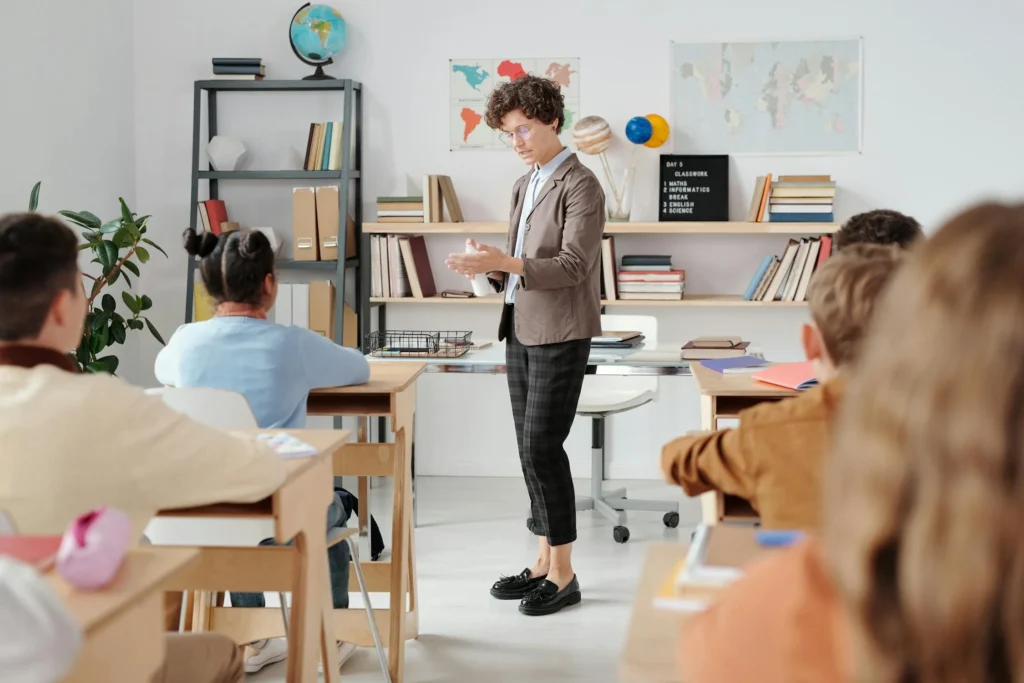
Enhancing Student Progress
Teachers bring professional insight into a child’s academic strengths and areas for improvement, while parents offer valuable knowledge about their child’s personality, home life, and learning style. When these insights are combined, it enables a more tailored approach to education. Early intervention becomes easier, and children receive the support they need before issues escalate.
Building Trust and Mutual Respect
A positive relationship between parents and teachers fosters mutual respect and trust. This makes it easier to have honest conversations—even when they involve sensitive topics. Instead of feeling criticised, parents are more likely to feel included and valued. Likewise, teachers benefit from understanding family perspectives and gaining parental support.
Improving Behaviour and Wellbeing
Studies have shown that children whose parents are actively involved in their education tend to display better behaviour and higher levels of emotional wellbeing. They’re more likely to feel confident in school, maintain strong attendance, and have better relationships with peers and adults. This emotional stability can have a lasting impact beyond the classroom.
Encouraging Lifelong Learning
When parents show interest in their child’s education and communicate regularly with teachers, it sends a clear message: learning matters. Children are more likely to develop a positive attitude towards school and see learning as a collaborative, lifelong journey. This encouragement can be especially powerful during challenging periods in a child’s academic life.
Practical Ways to Strengthen the Relationship
Here are a few simple but effective ways parents and teachers can build strong partnerships:
- Regular communication – Whether through emails, phone calls or school apps, consistent contact keeps everyone informed.
- Parent-teacher meetings – These provide valuable opportunities to share updates, discuss progress, and set goals.
- Being approachable – A friendly, open attitude makes it easier to build trust and resolve concerns.
- Celebrating successes together – Acknowledging and sharing achievements reinforces the shared commitment to the child’s growth.
A Shared Commitment
At the heart of every successful school community is a shared commitment to the child’s success. By building strong relationships, parents and teachers create a positive, united front that helps students reach their full potential—both in school and beyond.