
Co-curricular activities are an essential aspect of a well-rounded education, providing students with opportunities to develop skills and interests beyond the traditional academic curriculum. These activities can range from sports and arts to clubs and community service, each contributing to the holistic development of students. In this guide, inspired by the teachings of this prep school in London, we will explore the significance of co-curricular activities, the different types available, and how they benefit students.
The Importance of Co-Curricular Activities
Enhancing Personal Development
Co-curricular activities play a crucial role in personal development by helping students discover and nurture their talents and interests. Engaging in these activities allows students to explore new areas, develop hobbies, and gain a sense of accomplishment. This exploration fosters self-confidence and self-awareness, which are vital for personal growth.
Building Social Skills
Participating in co-curricular activities provides students with opportunities to interact with peers who share similar interests. These interactions help in building social skills, teamwork, and communication abilities. Activities such as team sports, drama clubs, and debate teams require collaboration and effective communication, preparing students for social and professional interactions in the future.
Types of Co-Curricular Activities
Sports and Physical Activities
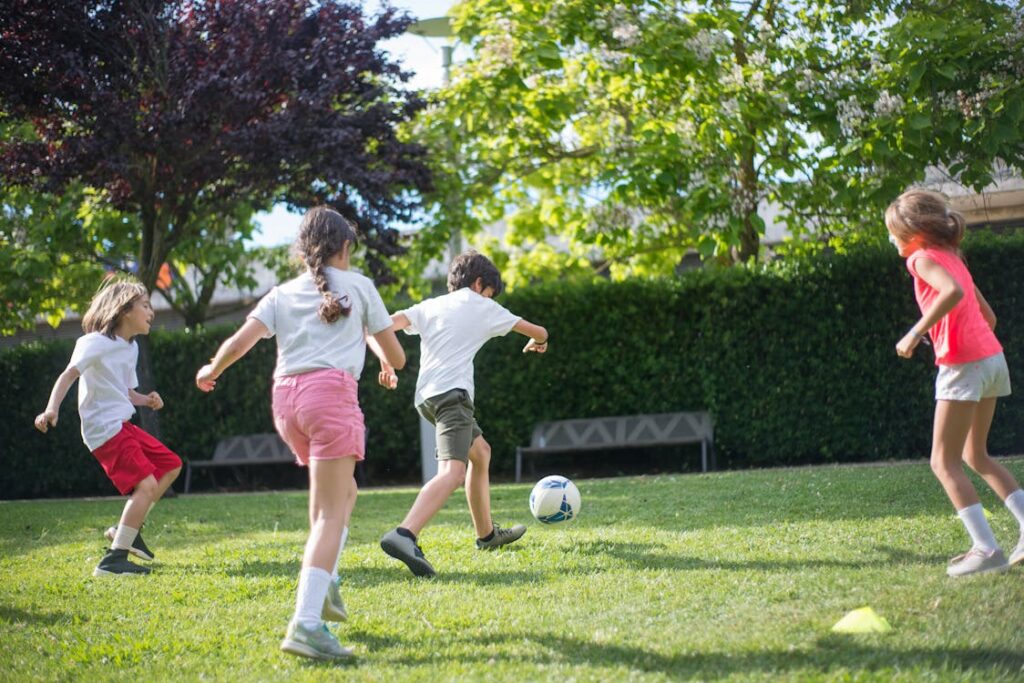
Sports are a popular form of co-curricular activity that promotes physical fitness and teamwork. From soccer and basketball to swimming and track and field, sports activities offer students a chance to stay active, learn discipline, and develop a competitive spirit. Participation in sports also teaches resilience and the importance of hard work and perseverance.
Arts and Creative Activities
Arts and creative activities, including music, dance, drama, and visual arts, provide students with an outlet for self-expression and creativity. These activities help in developing artistic skills, aesthetic appreciation, and emotional intelligence. Students involved in the arts often exhibit improved focus, innovation, and problem-solving abilities.
Academic Clubs and Competitions
Academic clubs and competitions, such as science clubs, math leagues, and robotics teams, enhance students’ intellectual abilities and foster a love for learning. These activities encourage critical thinking, problem-solving, and analytical skills. Additionally, academic competitions provide a platform for students to challenge themselves and gain recognition for their achievements.
Community Service and Volunteering
Community service and volunteering activities instil a sense of social responsibility and empathy in students. These activities encourage students to contribute to society and understand the importance of helping others. Volunteering can range from local community projects to international service trips, offering students diverse experiences and perspectives.
Benefits of Co-Curricular Activities
Improved Academic Performance
Contrary to the belief that co-curricular activities might distract students from their studies, research shows that students who participate in these activities often perform better academically. The skills learned through co-curricular involvement, such as time management, discipline, and goal-setting, translate into better study habits and academic success.
Enhanced College and Career Prospects
Involvement in co-curricular activities is highly valued by colleges and employers. Colleges look for well-rounded applicants who have demonstrated leadership, teamwork, and commitment through their participation in various activities. Similarly, employers seek candidates who possess soft skills, such as communication, leadership, and problem-solving, which are often developed through co-curricular engagement.
Personal Fulfilment and Well-Being
Engaging in activities outside the classroom contributes to overall well-being and personal fulfilment. Students find joy and satisfaction in pursuing their passions, leading to a more balanced and fulfilling life. Co-curricular activities also provide a healthy outlet for stress and anxiety, promoting mental and emotional health.
Co-curricular activities are a vital component of education that support the development of well-rounded individuals. By participating in these activities, students can enhance their personal, social, and academic skills, preparing them for future success. Encouraging students to explore and engage in various co-curricular activities ensures they gain valuable experiences that enrich their lives and contribute positively to society.