
One of the most common frustrations with gardening activities for young children is the waiting. Preschoolers and toddlers live very much in the present, and asking them to tend to a pot for several weeks before anything visible happens is a big ask.
The good news is that some seeds grow quickly enough to keep even the shortest attention spans genuinely engaged. Here are the best fast growing seeds for kids, plus tips on how to make the most of the experience at home.
Why Gardening Is So Good for Young Children
Before we get into the seeds themselves, it’s worth knowing why this activity is worth doing beyond the obvious fun of it.
Gardening with young children supports a huge range of development. It builds an understanding of living things and natural cycles, develops responsibility and patience, encourages sensory exploration through soil, water, and plant textures, and provides a wonderful context for early science conversations. Children who grow their own food are also consistently more willing to try eating it, which is always a bonus.
Cress
Cress is the classic starter seed for a reason — it’s almost impossible to fail with, it grows visibly within just a few days, and it can be grown without soil entirely. Sprinkle seeds onto damp cotton wool or a folded piece of damp kitchen roll, place on a sunny windowsill, and keep it moist. You’ll see shoots within two to three days and a full head of cress within a week.
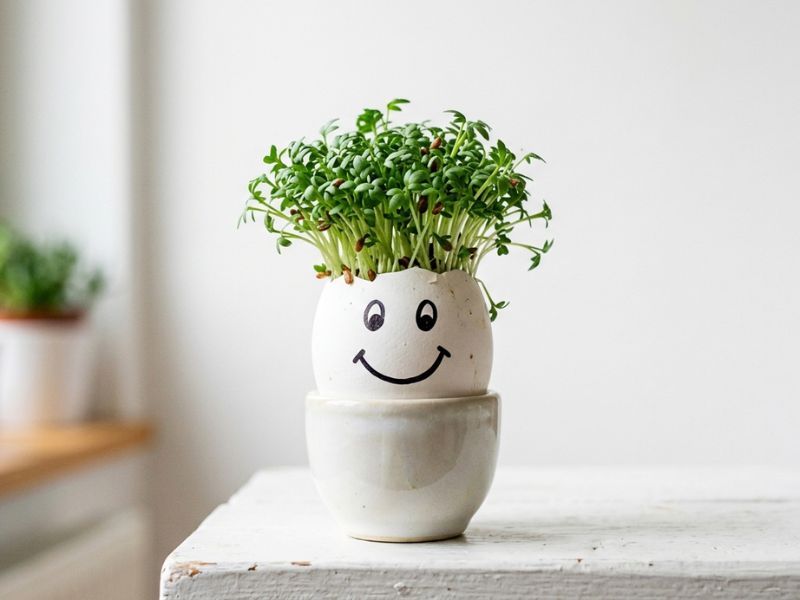
Growing cress in an eggshell is a favourite activity for preschoolers — draw a face on the shell, fill it with cotton wool, and watch the cress grow like hair. It makes a brilliant keepsake to photograph too.
Sunflowers
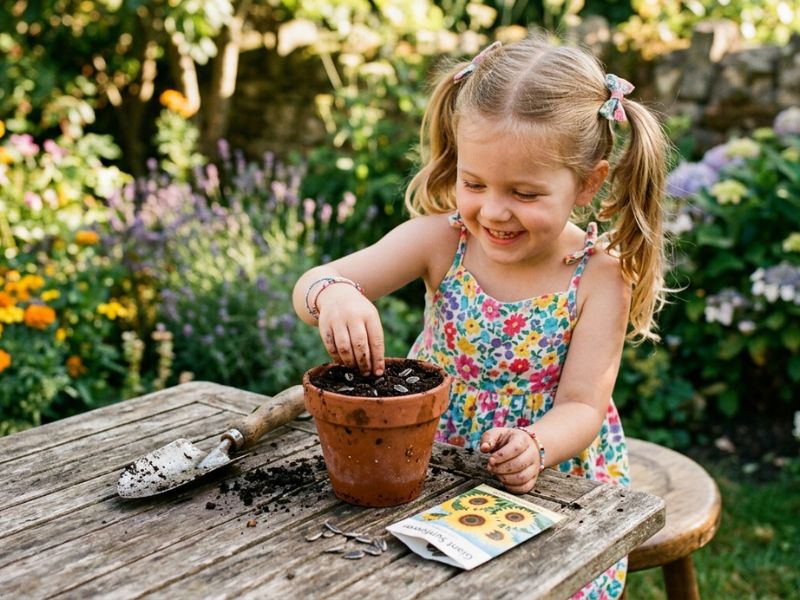
Sunflowers are the most rewarding fast growing seed for children because the end result is so dramatic. Push a seed into a pot of compost about two centimetres deep, water it, and place it somewhere warm and light. You’ll see the first shoots within a week to ten days, and from there the growth is rapid enough to be genuinely exciting.
Measuring the sunflower each week with a ruler or a piece of string is a lovely way to extend the activity and introduce early maths in a completely natural context.
Radishes
If your child is interested in growing something they can actually eat, radishes are the fastest option. They can be ready to harvest in as little as three to four weeks from sowing, which is genuinely quick by vegetable standards. Sow them directly into a pot of compost or a small patch of garden soil, water regularly, and watch them appear.
They’re not every child’s favourite to eat, but the satisfaction of pulling a bright red radish out of the soil is hard to beat.
Runner Beans
Runner beans are one of the best seeds to grow with children because you can clearly see every stage of germination without any digging. Place a bean seed in a glass jar lined with damp kitchen roll, pressing the seed against the glass so it’s visible. Keep the paper moist and within a week you’ll see the root emerging, then the shoot. It’s a brilliant visual introduction to how seeds work.
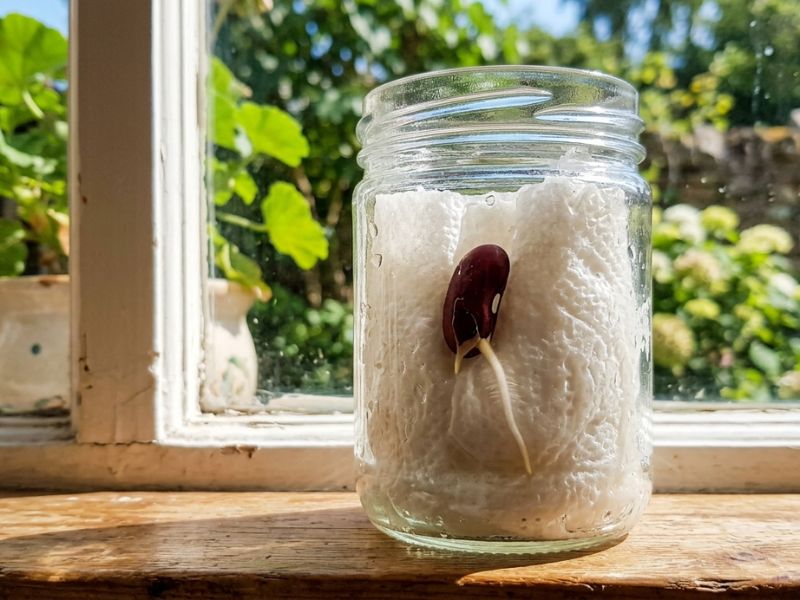
Once the seedling is established you can transfer it to a pot or the garden to keep growing.
Nasturtiums
Nasturtiums are brilliantly easy — they grow quickly, they flower in vivid oranges and yellows, and both the flowers and leaves are edible, which delights most children. Sow directly into a pot or flower bed, water regularly, and you’ll have flowers within six to eight weeks.
They’re also very forgiving of enthusiastic watering by small hands, which makes them ideal for young gardeners.
Peas
Peas germinate quickly and children love popping the seeds into compost and watching the shoots emerge within a week or so. Growing them up a simple cane structure adds an element of building to the activity. The real reward comes when the pods are ready and your child can pick and eat them straight from the plant — fresh peas eaten straight from the garden are genuinely delicious and a world away from the frozen variety.
Herbs
Herbs like basil, chives, and mint grow quickly and have the added benefit of being strongly scented, which adds a sensory element to the activity. Grow them in small pots on a sunny windowsill and let your child water them and pinch off leaves to smell. Once established they can be used in cooking, which gives the whole activity a satisfying practical purpose.
Tips for Gardening with Preschoolers
Give them their own tools. Small trowels, a watering can sized for little hands, and their own labelled pot makes children feel genuine ownership over the activity.
Let them do as much as possible themselves. Pushing seeds into compost, pouring water, patting soil down — all of it is valuable even when it’s imprecise. Resist the urge to take over.
Keep a simple grow diary. Drawing or sticking a photo of their plant each week into a notebook gives children a visual record of progress and helps with the waiting between visible changes.
Talk about what the plant needs. Water, light, warmth, soil — these early science conversations lay the groundwork for understanding living things in a way that sticks because it’s rooted in direct experience.
Don’t worry if things don’t grow. Failed seeds are part of gardening and a perfectly good learning opportunity. Talk about what might have happened and try again.