
Social skills are crucial for children to build meaningful relationships, succeed in school, and navigate the complexities of life. While some kids naturally develop these skills, others might need a bit more guidance. Inspired by the practices of this independent school in Clapham, here are practical strategies you can use to help your child improve their social skills.
1. Encourage Playdates and Group Activities
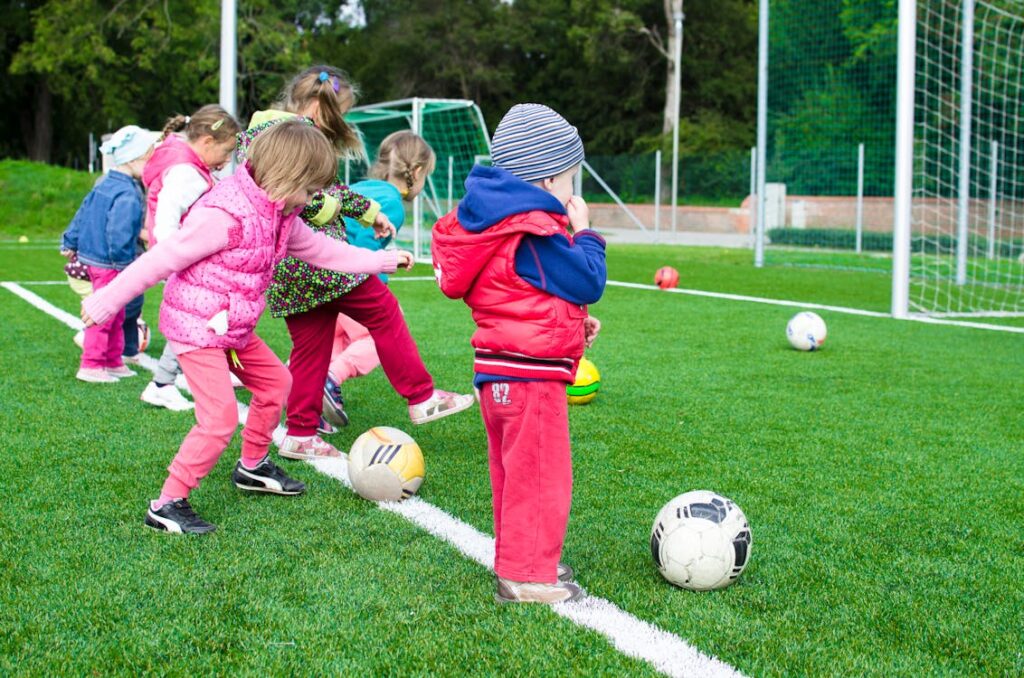
One of the most effective ways to enhance your child’s social skills is through regular interaction with peers. Organise playdates, join community groups, or participate in extracurricular activities like sports teams or art classes. These settings allow children to practice sharing, cooperation, and communication in a safe and structured environment.
During these activities, observe your child’s interactions. If you notice difficulties, such as struggling to take turns or engaging in conversation, gently guide them towards more positive interactions. Over time, your child will become more comfortable and skilled in social settings.
2. Model Positive Social Behaviour
Children learn a great deal by observing the adults around them. As a parent, you can model positive social behaviour through your interactions with others. Demonstrate active listening, show empathy, and use polite language. When your child sees you engage in respectful and positive communication, they are likely to mimic these behaviours.
For instance, if you’re talking to a friend and your child is present, point out the importance of taking turns in conversation and asking questions. Explain how these behaviours make others feel valued and included.
3. Teach Empathy and Understanding
Empathy is the cornerstone of good social skills. Help your child develop empathy by discussing feelings and emotions. Use stories, both from books and real life, to talk about how others might feel in different situations. Ask questions like, “How do you think that character feels?” or “What would you do if you were in their shoes?”
Role-playing can also be an effective way to teach empathy. Act out scenarios where your child needs to consider another person’s feelings. This practice helps them understand different perspectives and respond more thoughtfully in social interactions.
4. Practice Communication Skills
Good communication is essential for strong social skills. Encourage your child to express themselves clearly and listen to others. Practice conversations at home by asking open-ended questions that require more than a yes or no answer. For example, instead of asking, “Did you have a good day at school?” you might ask, “What was the best part of your day and why?”
Teach your child the importance of non-verbal cues, such as eye contact, facial expressions, and body language. You can make this fun by playing games where you guess each other’s emotions based on expressions or tone of voice.
5. Praise Positive Social Interactions
Positive reinforcement is a powerful tool in shaping behaviour. When you notice your child demonstrating good social skills, praise them. Be specific about what they did well, such as “I’m proud of how you shared your toys with your friend” or “It was great how you asked your friend how they were feeling.”
This positive feedback will encourage your child to continue engaging in these behaviours and will build their confidence in social situations.
6. Address Social Challenges Proactively
If your child struggles with social anxiety, shyness, or other challenges, address these issues with patience and understanding. Talk to them about their feelings and work together to develop coping strategies. Sometimes, professional support from a counsellor or therapist can be beneficial.
Improving your child’s social skills is a gradual process that requires patience, encouragement, and practice. By creating opportunities for social interaction, modelling positive behaviour, teaching empathy, practicing communication skills, and providing positive reinforcement, you can help your child become more socially adept and confident. Remember, every child is unique, so tailor these strategies to your child’s individual needs and personality.